
What is stainless steel passivation?
What is stainless steel passivation?
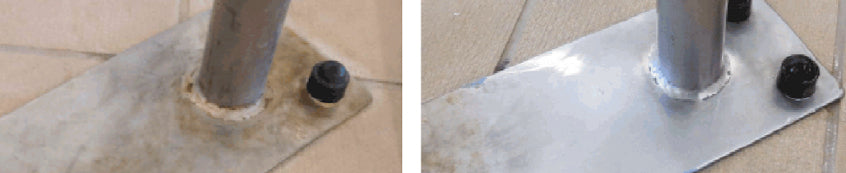
Passivation is the process of treating or coating a metal in order to reduce the chemical reactivity of its surface. In stainless steel, passivation means removing the free iron from the surface of the metal using an acid solution to prevent rust. When the surface iron is removed, the other components of the alloy (primarily chromium, often nickel as well) are left behind as a surface layer over the underlying steel. Upon exposure to air, these elements react with oxygen to form an oxide layer that protects the rest of the steel from corrosion. This corrosion-resistant surface can be damaged through mechanical means or heat or chemical damage. When that happens, iron is exposed and the item is once again subject to rusting. For this reason, passivation may need to be performed on a regular basis. In both home and commercial settings exposure to things like cleaning solutions, bleach or salt (oceanic environments) all will contribute to the need for regular passivation of the stainless steel.
Historically nitric acid has been used to passivate stainless steel, but recently a safer and more effective means using citric acid has been introduced. Unlike nitric acid, citric acid passivation (the active ingredient in Citrisurf®) has many advantages:
- Citric acid does NOT remove other elements in the alloy effectively limiting the depth of the final chrome oxide layer
- Citric acid does NOT introduce heavy metals (hazardous waste) into the bath
- Citric acid only removes iron
- Citric acid is much safer and environmentally friendly
CitriSurf for Passivating Stainless Steel
We stock a full line of Citrisurf® stainless steel passivation products. We keep the product in stock for fast delivery to your location.Passivation is now easy and safe.
CitriSurf is a registered trademark of Stellar Solutions, Inc., McHenry, IL US.